Embodying Earth Fellowship: Regenerative Education in Action
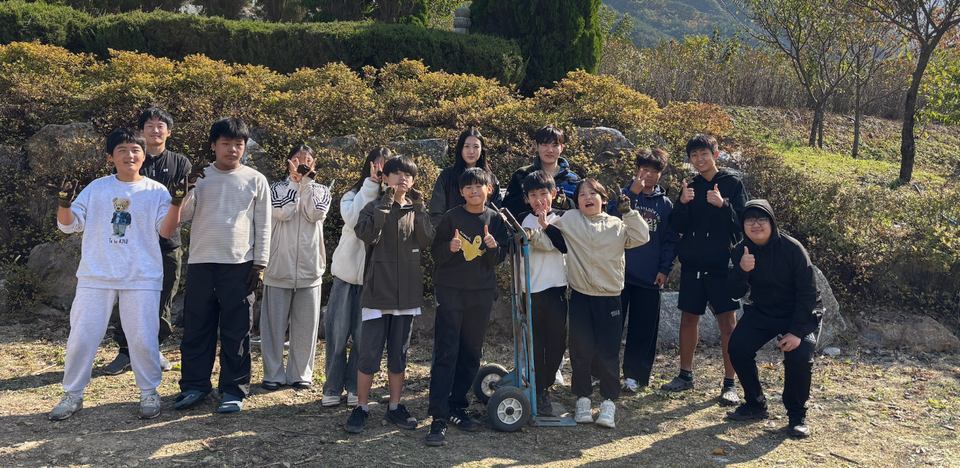
A reflection by Elin on the Embodying Earth Program and the creation of the Microfunds Model.
Background
This summer, Henry and I joined Embodying Earth, a UWC summer program by Education for Good on regenerative leadership and systems thinking. The experience brought together young changemakers passionate about designing ecological and community-based interventions. We decided to take part in Phase 3 of the program, which focused on leading our own education-centered initiative.
Our guiding question was simple but powerful:
How can students not just learn about sustainability, but actively build it?
To explore this, we mentored 13 elementary and middle school students, helping them design and launch their own eco-initiatives. Over multiple months, we worked with them to turn abstract ideas into tangible action.
Innovation: The Microfunds Model
My earlier research on microfinance had introduced me to the idea that empowerment starts with ownership. Inspired by that, we adapted the concept for education––creating what we called the microfunds model.
Instead of awarding one large grant, each student or team received a small seed fund (around USD $50) to plan, test, and reflect on their own environmental projects. This structure encouraged creativity and genuine problem-solving.
Through the model, we aimed to nurture three key values:
- Autonomy: Students handled everything from design and budgeting to tracking outcomes.
- Sustainability: Each project tied funding directly to measurable ecological impact, supported through guided mentoring.
- Reflection: Every session helped students connect their choices to systems-thinking concepts like feedback loops and circular resource use.
We created a model that brings the UNESCO Education for Sustainable Development (ESD) ethos to life: “learning by doing, within one’s community” (UNESCO, 2023).
Impact + Outcomes
Direct Impact:
- 13 students mentored, ages 9–13.
- 7 independent eco-initiatives launched (ex., classroom composting, recycling drives, mini-gardens).
- 100% student completion and post-program environmental knowledge gain (self-assessment).
Project Snapshot: Compost-making
The compost-making project holds a special place in my heart. It was the first initiative I ever mentored, and ironically, I started out knowing next to nothing about composting. Yet my initial scramble to understand it quickly turned into fascination as I dug (literally and figuratively) into the science behind decomposition. I learned how microbial respiration drives temperature changes, how the carbon-to-nitrogen ratio controls the rate of breakdown, and how oxygen flow determines whether the process stays aerobic or not.
A lot of that understanding came from Henry. His grounding in environmental science brought the project to life in ways I couldn’t have done alone. He explained the microbial succession happening beneath the surface, the thermophilic stage where heat signaled active metabolism, and the way composting mirrors larger nutrient cycles in ecosystems. I learned as much from him as the students did, from his patient explanations to his instinct for connecting small biological details to bigger ecological systems.
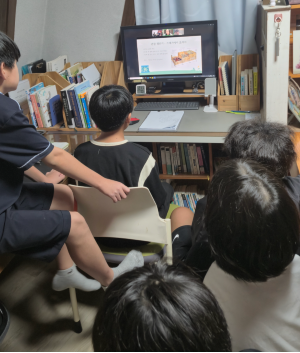
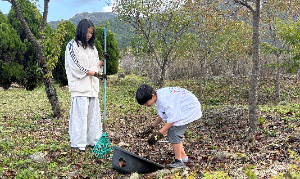
Henry and I began with two asynchronous sessions on decomposition biology and project planning before taking a five-hour ride to help the students build their bins: mud, earthworms, laughter, and all. We layered food waste and dried leaves, added chicken manure to balance nitrogen, tracked temperature shifts, and cheered when the first pile began to steam: a sign that the microbes (read: maybe we) were doing something right.
Below are some photos from that wonderfully messy adventure :)

Working with the students taught me that lasting change, like compost, needs time––and more importantly, the trust to let others take ownership of the process.
In the long run, we hope to expand the microfunds framework to more schools, connecting youth empowerment with regenerative systems thinking. After all, if students can turn food scraps into soil, imagine what they can do with ideas.